Protective Relay in Electrical Power Systems
发布时间:2026-01-22 20:21:43 分类:营销学堂
????? ???????????? ?? ????? ???????:
Relay coordination is a fundamental aspect of power system protection, ensuring that only the faulted section is isolated while the rest of the network continues operating reliably. It is essential for equipment safety, system stability, and minimizing power outages.
??????? ??????????? (??):
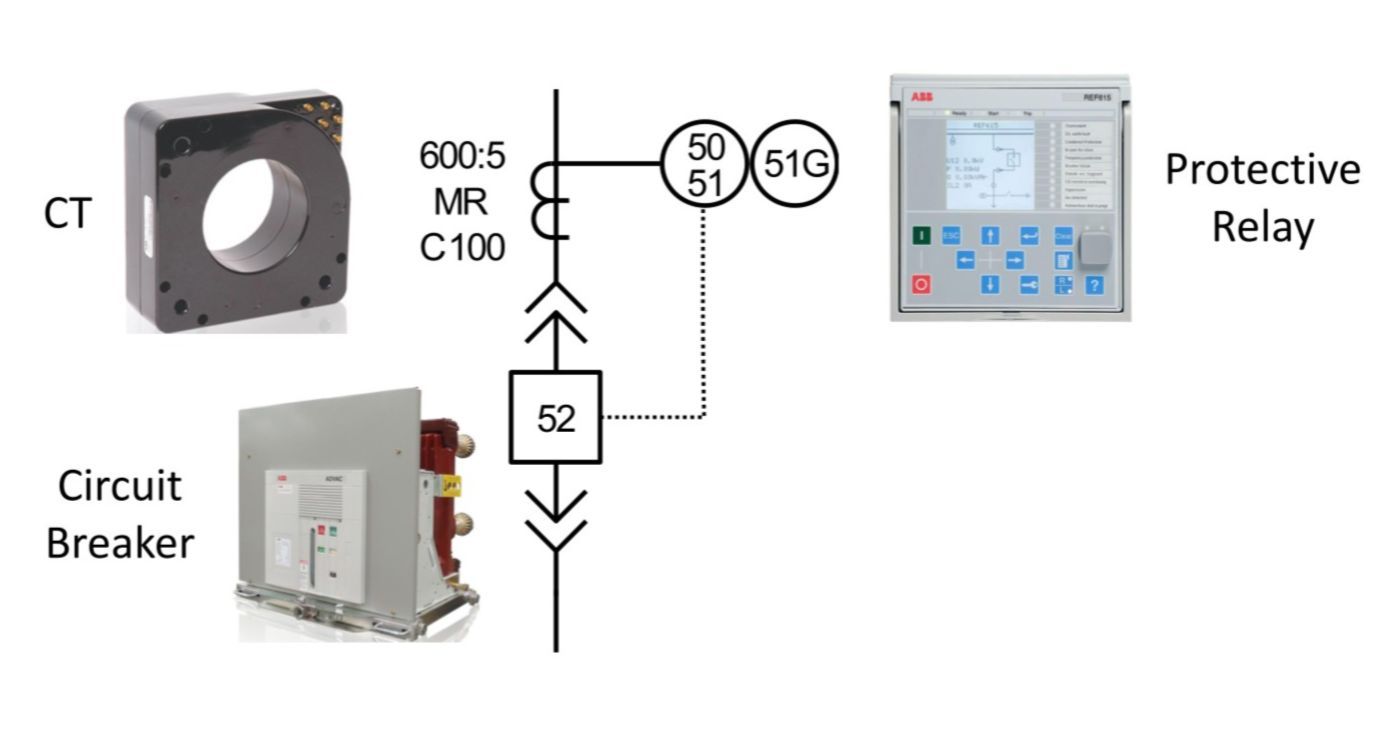
➡️Measures line current and provides a scaled, proportional signal to protective devices.
➡️Serves as the primary sensing element, enabling accurate fault detection without exposing relays to high current levels.
?????????? ????? (??/??, ???):
➡️50 – Instantaneous Overcurrent Relay: Trips immediately for severe fault currents.
➡️51 – Inverse Time Overcurrent Relay: Operates with a time delay inversely proportional to fault magnitude.
➡️51G – Ground Fault Relay: Detects earth faults and initiates tripping.
➡️Acts as the decision-making element, determining whether and when to operate the breaker.
??????? ??????? (??):
➡️Receives the trip signal from the relay and interrupts current flow to isolate the fault.
➡️Ensures safe disconnection of the faulty section without affecting healthy portions of the system.
?????????? ?? ????? ????????????:
➡️Downstream devices operate first; upstream devices provide backup.
➡️Time-current coordination ensures a proper operating sequence.
➡️Selectivity prevents unnecessary disconnection of healthy equipment.
????????:
✅ Enhanced system reliability and continuity of supply.
✅ Protection of transformers, feeders, motors, and other critical assets.
✅ Minimization of fault propagation and cascading outages.