

陆游:南宋铁骨诗魂的壮阔人生 / Lu You: The Epic Life of a Southern Song Poet-P
发布时间:2026-09-23 21:15:09 分类:营销学堂
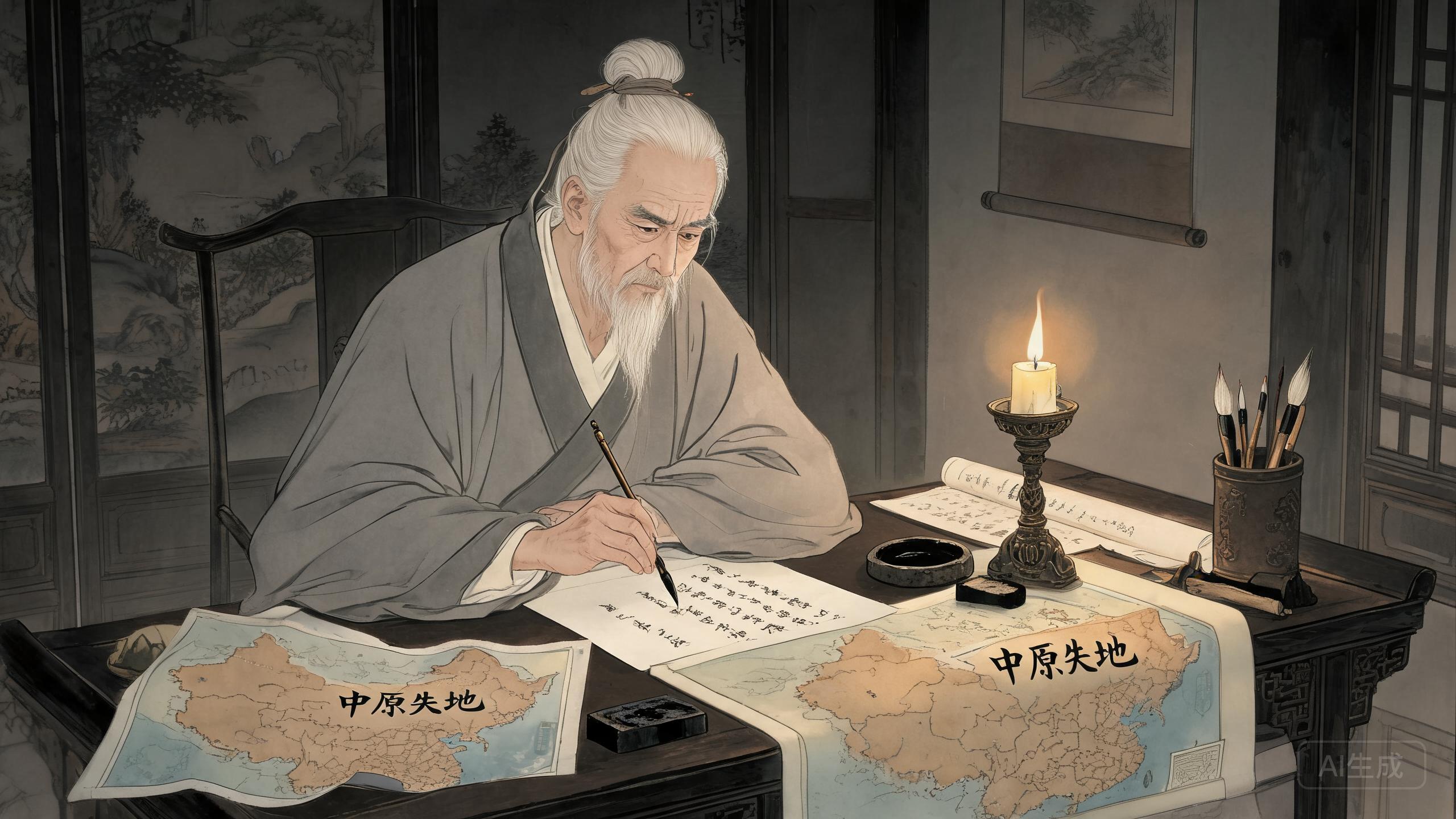
陆游的一生行迹(1125-1210)
陆游(1125-1210),字务观,号放翁,越州山阴(今浙江绍兴)人,南宋诗人。绍兴二十三年锁厅试第一,因触怒秦桧遭黜落,孝宗朝赐同进士出身。一生力主抗金恢复,屡遭主和派排挤。现存诗九千余首,为中国文学史上存诗最多的诗人,与杨万里、范成大、尤袤并称南宋四大家。
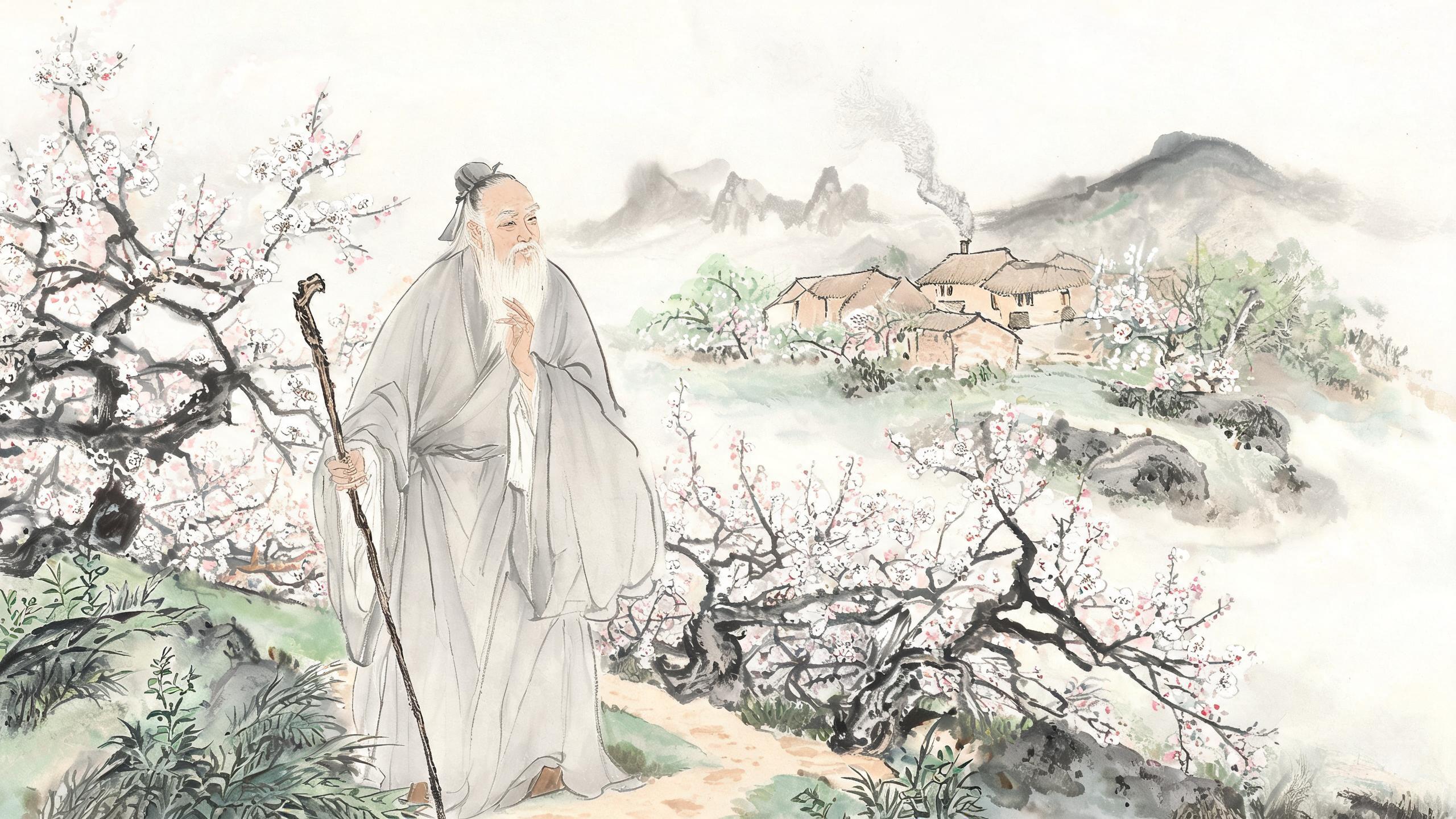
绍兴(1125) · 绍兴少年
宋徽宗宣和七年(1125年),陆游出生于越州山阴(今浙江绍兴)一个书香仕宦之家。其父陆宰为北宋末年转运副使,靖康之变后南渡,陆游幼年随家颠沛,亲历国破家亡之痛,"少时遭乱,日望恢复之期",恢复中原之志从此扎根心底。
临安(1153) · 临安科举
宋高宗绍兴二十三年(1153年),陆游赴临安应锁厅试,名列第一。然秦桧之孙秦埙亦应试,秦桧怒陆游居其孙之上,次年礼部试竟将陆游黜落,罪名是"喜论恢复"。直至秦桧死后,陆游方得入仕,然终高宗一朝未获重用。
绍兴(1155) · 绍兴少年
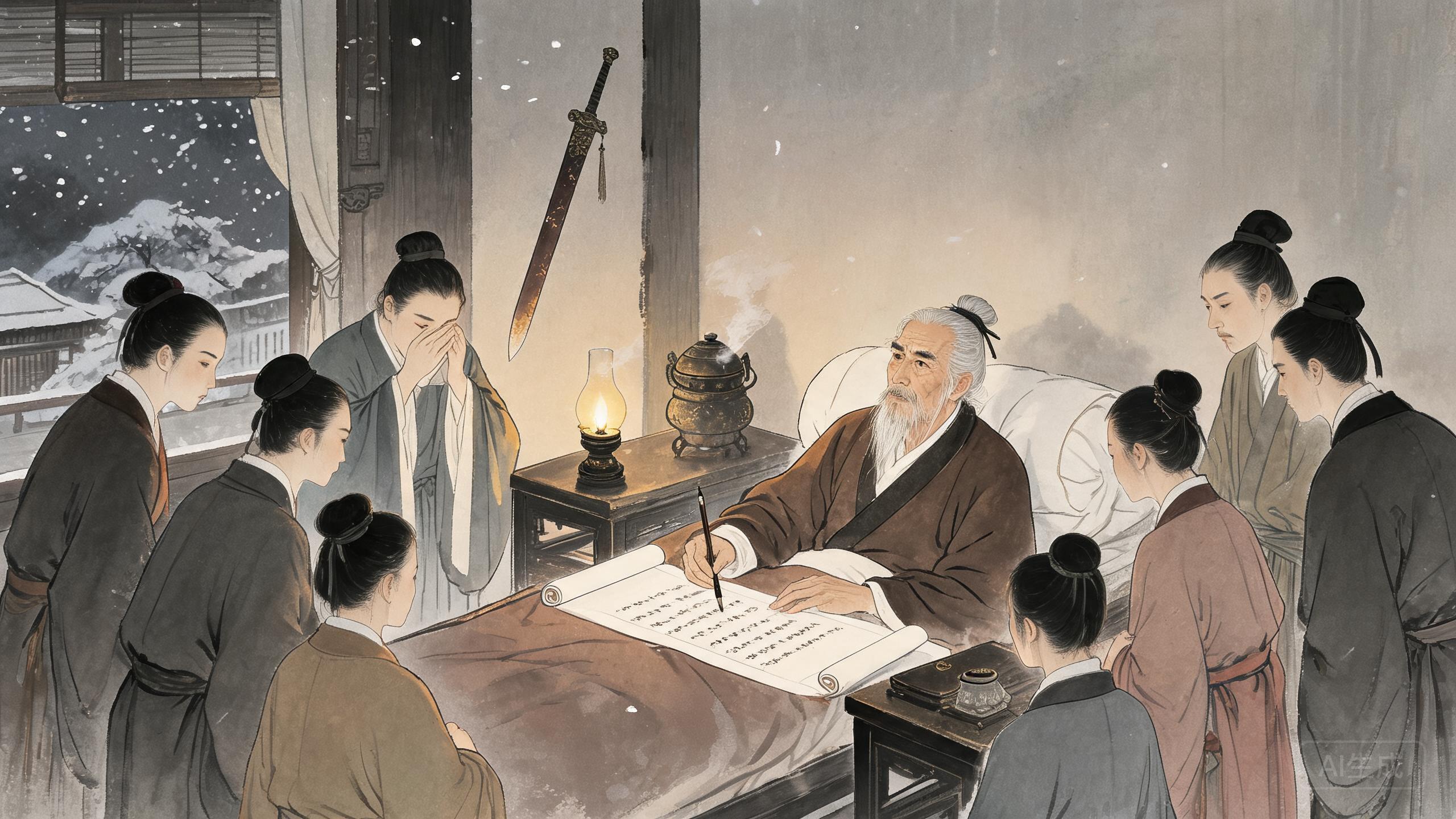
宋高宗绍兴二十五年(1155年)春,陆游在绍兴沈园与前妻唐琬邂逅,唐琬已改嫁赵士程。陆游于园壁题《钗头凤》"红酥手,黄縢酒,满城春色宫墙柳",写被迫离异的无尽哀痛,此词成为中国文学史上最凄婉的爱情词。三年后(绍兴二十八年,1158年),陆游方始入仕,任福州宁德县主簿。
夔州(1170) · 夔州入蜀
宋孝宗乾道六年(1170年),陆游调任夔州通判(今重庆奉节),沿长江溯流而上,途经三峡。他逐日记行程见闻,写成《入蜀记》六卷,是中国古代最详尽的旅行日记之一。在夔州一年,他勤于政务,写诗颇丰,为入蜀生涯的开端。
南郑(1172) · 南郑从军
宋孝宗乾道八年(1172年),陆游赴南郑(今陕西汉中)入四川宣抚使王炎幕府,任干办公事兼检法官。南郑地处宋金前线,他亲临大散关等要塞,参与军事谋划,"铁马秋风大散关"的从军经历成为他一生最壮烈的记忆,也是其爱国诗的精神源头。
成都(1173) · 夔州入蜀
宋孝宗乾道九年(1173年),王炎被召回朝,陆游改调成都府路安抚司参议官。在成都,他常游浣花溪、青城山、杜甫草堂,诗酒自遣,与范成大以文字交。然而闲散的生活与他心中"铁马冰河"的壮志形成尖锐矛盾,"心在天山,身老沧洲"的痛苦贯穿蜀中岁月。
临安(1190) · 临安科举
宋光宗绍熙元年(1190年),陆游起用为朝请大夫,后迁礼部郎中兼实录院检讨官。在临安,他再次力陈恢复之策,然而朝中主和派当道,其主张不被采纳,反遭谏官弹劾"嘲咏风月",被劾免归山阴,从此退闲家居。
绍兴(1210) · 山阴归老
宋宁宗嘉定二年(1210年),八十五岁的陆游病卧山阴镜湖之畔的三山别业,临终前写下绝笔诗《示儿》——"死去元知万事空,但悲不见九州同。王师北定中原日,家祭无忘告乃翁。"此诗成为中国爱国诗歌的终极绝唱。
The Life Journey of Lu You, the Iron-Voiced Patriot of the Southern Song
Lu You (1125-1210), styled Wuguan, self-named Fangweng ('the Old Man Let Loose'), of Shanyin, was born in the year the north fell and spent eighty-five years wanting it back: barred from the examination lists by Qin Hui's wrath, then soldiering on the Jin front at Nanzheng — 'iron horses, autumn wind, Dasan Pass' — then twenty years of farming and nine thousand poems, ending with the line every Chinese schoolchild knows: 'When the king's armies recover the Central Plains, do not forget to tell your father at the family sacrifice.'
Timeline of the Journey
- 1125 · Shanyin — Born into an official family in the year the Jurchen took the north; carried through the family's flight as an infant, the resolve to recover the Central Plains set before he could write.
- 1153 · Lin'an — First place in the prefectural examination — above Qin Hui's own grandson. The chancellor's revenge: struck from the ministry list the next year for 'loving to discuss recovery.'
- 1155 · Shanyin — Meeting Tang Wan, his divorced first wife, in the Shen Garden; on its wall he wrote the 'Chai-tou feng' — 'Pink hands, yellow wine...' — the most desolate love lyric in the language.
- 1170 · Kuizhou — Down the Yangtze gorges to be assistant prefect of Kuizhou: the 'Record of Entering Shu,' six books of travel diary — ancient China's most detailed — and the Shu years begun.
- 1172 · Nanzheng — Into Wang Yan's staff on the Song-Jin front: pass-climbs at Dasan Pass, staff work on live operations — 'iron horses, autumn wind' — eight months that fed his patriotic poetry for the rest of the century.
- 1173 · Chengdu — The front dissolved, the staff dispersed: advisory post in Chengdu, the Flower-Washing Brook, Du Fu's thatched hall, wine with Fan Chengda — against the ache of 'my heart at the Tianshan mountains, my body aging among the coves.'
- 1190 · Lin'an — Last round at the capital: recovery proposals again refused, impeached for 'mocking wind and moon,' dismissed home to Shanyin for the long retirement.
- 1210 · Shanyin — Dying at eighty-five by Mirror Lake: the 'Testament to My Sons' — 'Dead, I know all things turn empty; only I grieve I did not see the Nine Provinces whole.' Chinese patriotic verse's last word.
'When the royal armies recover the Central Plains in the north — do not forget, at the family sacrifice, to tell your father.' Lu You wrote perhaps nine thousand poems and kept one promise through them all: he never stopped wanting.
以下为中央电视台(CCTV)制作的陆游相关纪录片与专题节目,可帮助您更深入地了解诗人的真实生平与历史现场。
与其仰望诗人的背影,不如亲自“走”一遍他们的路——宋词.中国「行迹漫游」让你化身马上行人,沿李白、杜甫、苏轼等57位诗人的真实迁徙路线策马而行:每过一站,触发一篇该地系年诗作;入夜之后,更有灯笼满城的诗意夜景。长安的城垣、夔门的江涛、黄州的赤壁,皆非示意图,而是诗人真实踏过的山河。行迹数据依诗人年谱与正史传记交叉考订,每站标注年号纪年与系年诗作,寓学于游。